
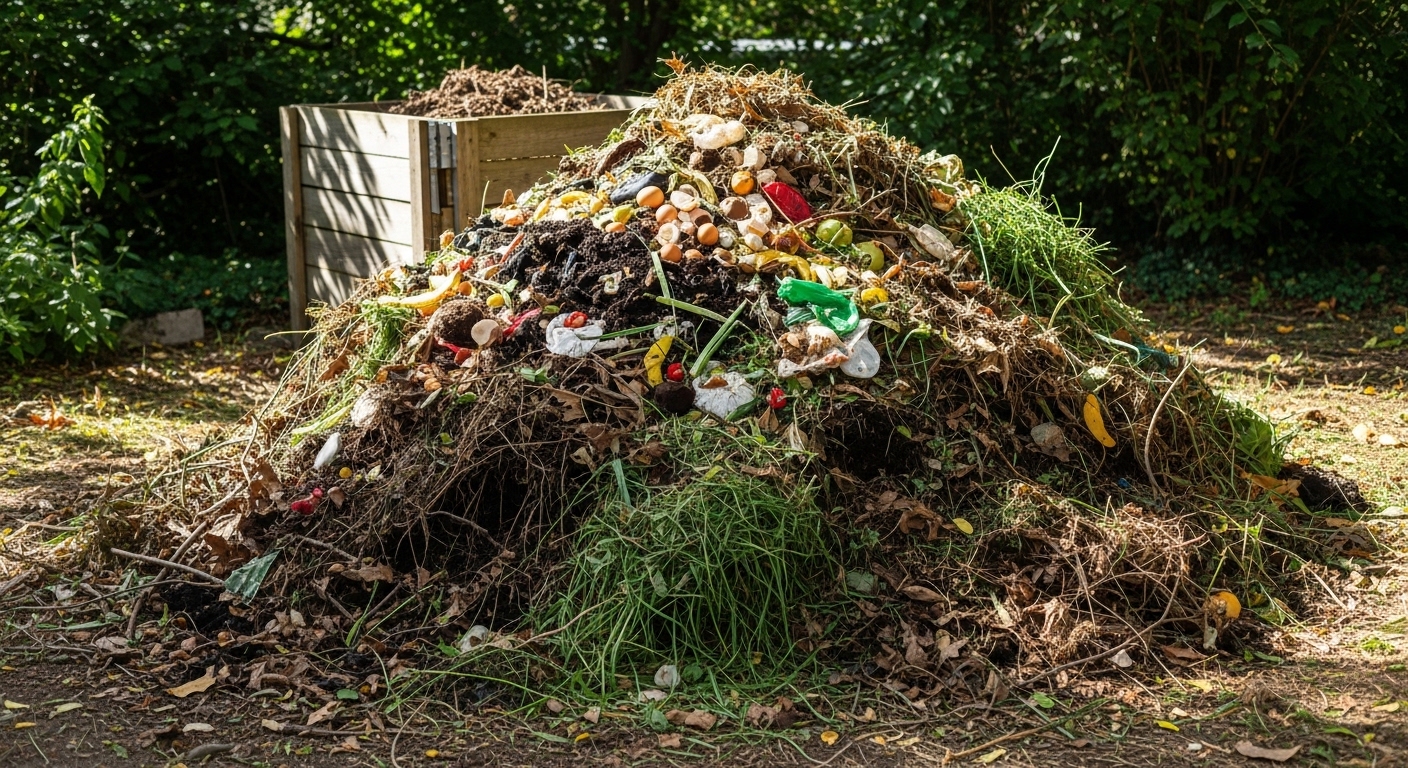
If your plants look dull, grow slowly, or struggle to bloom, the problem might not be water—it’s nutrition.
Many people turn to chemical fertilizers for a quick fix. But over time, those can harm soil health, reduce plant quality, and even affect the environment.
That’s where natural fertilizer comes in.
Natural fertilizers feed your plants and improve the soil at the same time. The result? Healthier plants, better yields, and a more sustainable garden.
Let’s break it down in a simple, practical way.
Table of Contents
What Is Natural Fertilizer and Why It Matters
Natural fertilizer comes from organic sources like plant waste, animal manure, and minerals. Unlike synthetic fertilizers, it releases nutrients slowly and improves soil structure.
Why gardeners are switching to natural fertilizers:
- Improves long-term soil health
- Safe for pets and humans
- Eco-friendly and sustainable
- Enhances plant growth naturally
Real-life example:
If you use compost regularly, your soil becomes richer each season. Plants grow stronger without needing constant chemical boosts.
Best Types of Natural Fertilizers (And When to Use Them)
Different plants have different needs. Choosing the right natural fertilizer makes a big difference.
1. Compost (The All-Rounder)
- Made from kitchen scraps and garden waste
- Rich in nutrients
- Improves soil texture
Best for: Almost all plants
2. Cow Manure (Power Booster)
- High in nitrogen
- Encourages leafy growth
Best for: Vegetables like spinach and lettuce
3. Bone Meal (Root Builder)
- Rich in phosphorus
- Supports root development and flowering
Best for: Flowering plants and root vegetables
4. Banana Peel Fertilizer
- High in potassium
- Boosts flowering and fruiting
Best for: Tomatoes, roses, and fruit plants
5. Eggshell Fertilizer
- Rich in calcium
- Prevents plant diseases like blossom end rot
Best for: Tomatoes and peppers
How to Make Natural Fertilizer at Home (DIY Methods)
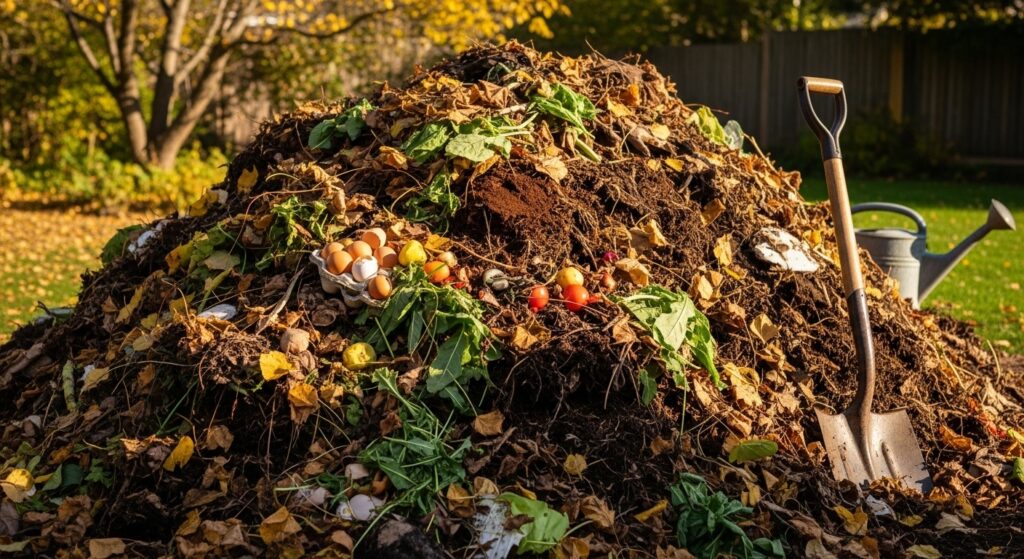
One of the biggest advantages of natural fertilizer is that you can make it at home—almost for free.
Simple Compost Method:
- Collect kitchen waste (vegetable peels, fruit scraps)
- Add dry leaves or paper
- Keep it slightly moist
- Turn it weekly
In 4–6 weeks, you’ll have rich compost ready to use.
Quick Liquid Fertilizer (Compost Tea):
- Soak compost in water for 24–48 hours
- Strain and use the liquid to water plants
Pro Tip: This is perfect for fast nutrient absorption.
Banana Peel Spray:
- Soak banana peels in water for 2–3 days
- Use the liquid as fertilizer
How to Use Natural Fertilizer Effectively
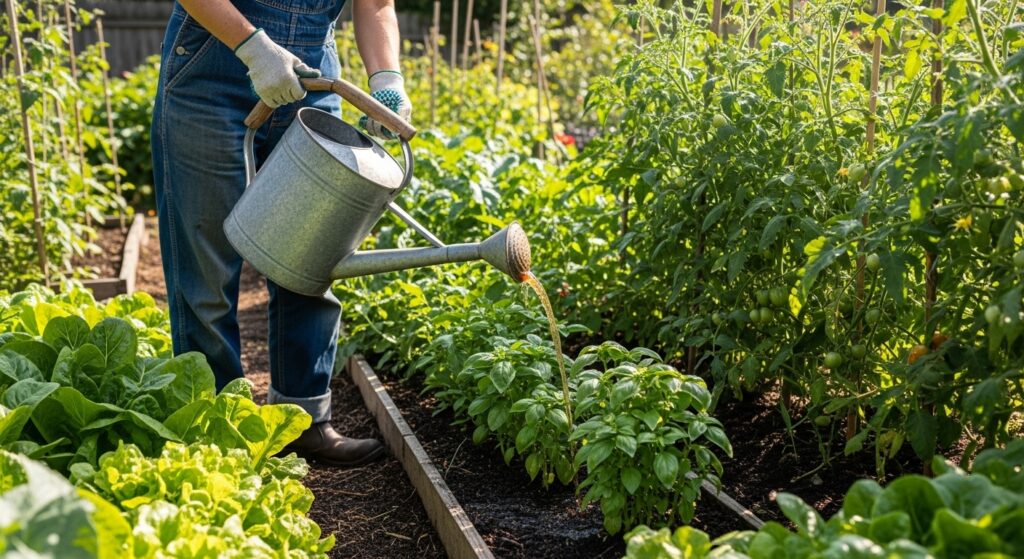
Using natural fertilizer correctly is just as important as choosing the right one.
Key tips:
- Apply during early morning or evening
- Don’t overuse (even natural fertilizers can harm plants in excess)
- Mix with soil instead of just placing on top
- Use regularly but moderately
Common mistake:
Many beginners think “more fertilizer = faster growth.” In reality, overfeeding can damage roots.
Natural Fertilizer vs Chemical Fertilizer
Let’s simplify the comparison:
| Feature | Natural Fertilizer | Chemical Fertilizer |
|---|---|---|
| Nutrient Release | Slow & steady | Quick but short-term |
| Soil Health | Improves | Degrades over time |
| Environmental Impact | Eco-friendly | Harmful |
| Cost | Low (often free) | Expensive |
Insight:
While chemical fertilizers may show quick results, natural fertilizers build a stronger foundation for long-term growth.
Expert Tips for Better Results
From years of gardening experience, here are some practical insights:
- Combine different natural fertilizers for balanced nutrition
- Rotate fertilizers to avoid nutrient deficiency
- Observe your plants—yellow leaves or slow growth often signal nutrient issues
- Use mulch to retain nutrients in soil
Trend Insight
With the rise of sustainable living, more homeowners are switching to organic gardening. Natural fertilizers are becoming a key part of this shift.
Your Questions, Answered
Q1. What is the best natural fertilizer for plants?
Compost is the best all-purpose natural fertilizer as it improves both soil and plant health.
Q2. How often should I use natural fertilizer?
Typically every 2–4 weeks, depending on plant type and soil condition.
Q3. Can I use kitchen waste as fertilizer?
Yes, kitchen waste like vegetable peels and fruit scraps can be composted into rich fertilizer.
Q4. Is natural fertilizer better than chemical fertilizer?
Yes, for long-term soil health and sustainability, natural fertilizers are a better choice.
Q5. Does natural fertilizer work for indoor plants?
Absolutely. Use diluted liquid fertilizers like compost tea for best results.