
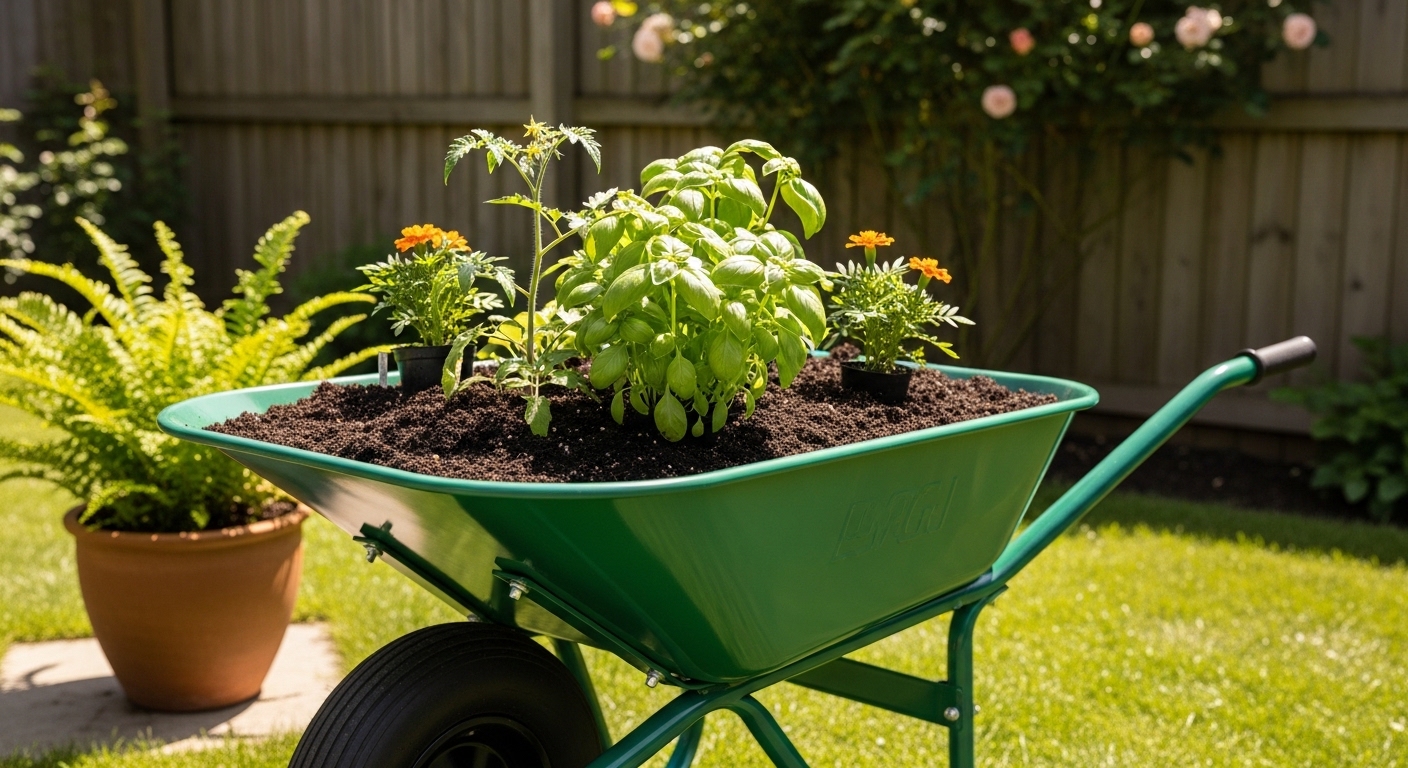
A wheelbarrow might seem like a simple tool—but choosing the right one can save you time, energy, and even money.
Whether you’re gardening, doing home renovations, or working on a construction site, the right wheelbarrow can make heavy lifting feel effortless. The wrong one? It can slow you down, cause strain, and wear out quickly.
In this guide, you’ll learn everything you need to know about wheelbarrows—from types and uses to expert tips on choosing the perfect one.
Table of Contents
What Is a Wheelbarrow and Why Do You Need One?
A wheelbarrow is a small hand-propelled cart designed to carry loads with minimal effort. It typically has one or two wheels, handles, and a tray (or bucket).
Why it’s essential:
- Reduces physical strain
- Speeds up work
- Handles heavy loads efficiently
- Improves productivity in gardening and construction
Real-world example:
If you’re moving soil across your garden manually, it might take 10–15 trips. With a wheelbarrow, you can cut that in half.
Types of Wheelbarrows (And Which One You Need)
Not all wheelbarrows are the same. Choosing the right type depends on your workload and environment.
1. Single-Wheel Wheelbarrow
- Best for: Gardening and tight spaces
- Pros: Easy to maneuver, better balance on narrow paths
- Cons: Requires more control
2. Double-Wheel Wheelbarrow
- Best for: Heavy loads and beginners
- Pros: More stability, less tipping
- Cons: Slightly harder to turn
3. Electric Wheelbarrow
- Best for: Large projects and heavy-duty work
- Pros: Reduces physical effort
- Cons: Expensive
4. Foldable Wheelbarrow
- Best for: Small homes and storage-saving
- Pros: Lightweight, easy to store
- Cons: Limited capacity
Wheelbarrow Materials: Plastic vs Steel
The material of your wheelbarrow directly affects durability and performance.
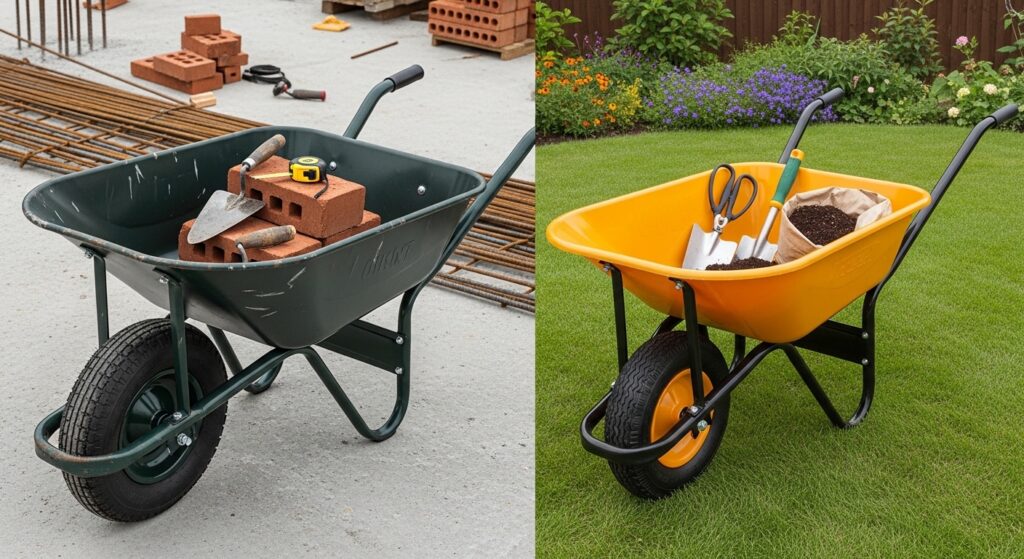
Plastic Wheelbarrow
- Lightweight
- Rust-resistant
- Ideal for gardening
Steel Wheelbarrow
- Extremely durable
- Handles heavy loads
- Best for construction
Pro Tip:
If you mostly work with soil, leaves, or compost, go for plastic. For bricks, cement, or stones, steel is a better investment.
How to Choose the Best Wheelbarrow
Choosing the right wheelbarrow isn’t about buying the most expensive one—it’s about buying the right one for your needs.
1. Load Capacity
- Small tasks: 50–80 liters
- Medium tasks: 80–120 liters
- Heavy-duty: 120+ liters
2. Wheel Type
- Air-filled tires: Smooth ride, better shock absorption
- Solid tires: No punctures, low maintenance
3. Handle Comfort
Look for ergonomic grips to reduce strain during long use.
4. Balance & Stability
A well-balanced wheelbarrow reduces fatigue and improves efficiency.
Common Uses of a Wheelbarrow
A wheelbarrow is one of the most versatile tools you can own.
In Gardening:
- Transport soil, compost, and plants
- Remove weeds and debris
In Construction:
- Move bricks, sand, and cement
- Carry tools and materials
Around the Home:
- DIY projects
- Cleaning yard waste
- Moving heavy items
Insight:
Many homeowners underestimate how often they’ll use a wheelbarrow—until they have one.
Expert Tips to Get the Most Out of Your Wheelbarrow
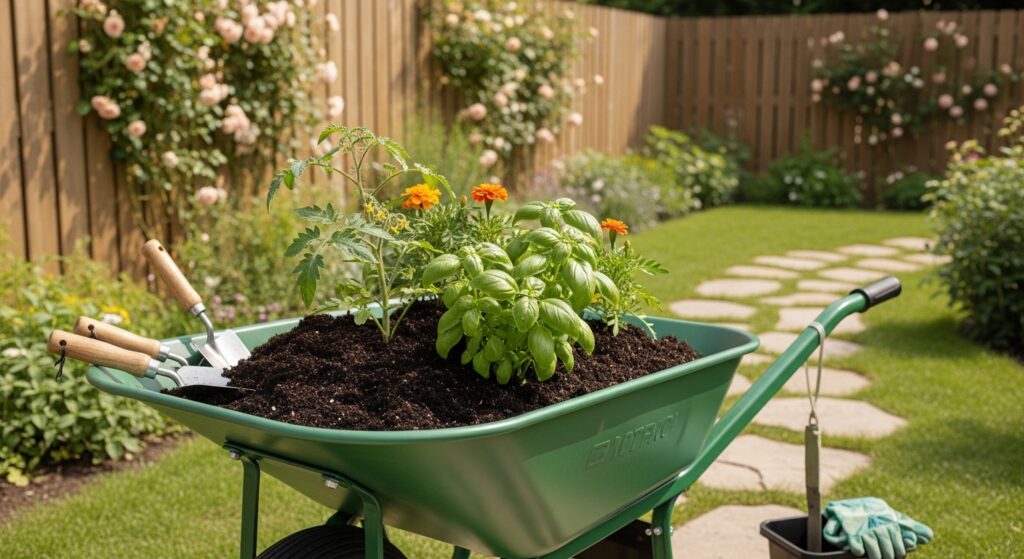
After years of practical use, here are some insights that truly make a difference:
- Don’t overload: It increases strain and reduces lifespan
- Distribute weight evenly: Prevents tipping
- Keep tires maintained: Especially air-filled ones
- Store properly: Avoid rust and wear
Industry Insight
According to home improvement trends, DIY gardening and outdoor projects have increased significantly in recent years—making tools like wheelbarrows more essential than ever.
Your Questions, Answered
Q1. What size wheelbarrow is best for home use?
A medium-sized wheelbarrow (80–100 liters) is ideal for most home and garden tasks.
Q2. Is a single or double wheelbarrow better?
Single-wheel is better for maneuverability, while double-wheel offers more stability.
Q3. How long does a wheelbarrow last?
With proper care, a good wheelbarrow can last 5–10 years or more.
Q4. Can I use a wheelbarrow for construction work?
Yes, but choose a steel, heavy-duty model for durability.
Q5. Are electric wheelbarrows worth it?
They are worth it for large-scale or professional work but not necessary for casual users.