
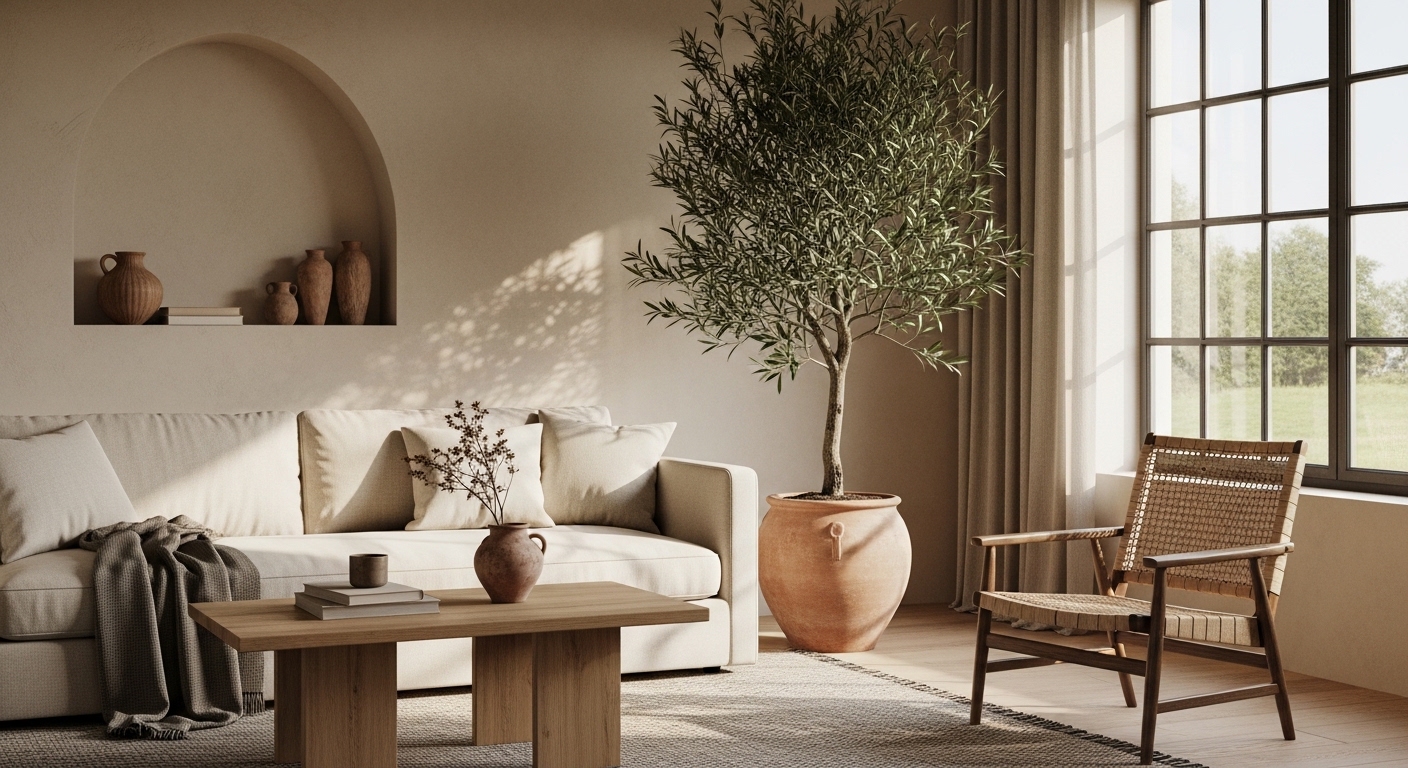
Walking through your front door should feel like a deep exhale. We’ve all spent time in rooms that felt “fine” but lacked that certain je ne sais quoi—the spark that turns a house into a sanctuary. In 2026, the world of interior and decor has shifted away from rigid, “perfect” catalogs and toward spaces that tell a personal story.
Whether you’re working with a sprawling suburban layout or a compact city apartment, the goal is the same: creating a balance between high-end aesthetics and daily functionality. You don’t need a professional designer’s budget to achieve a magazine-worthy look. You just need a strategy.
Table of Contents
In this guide, we’re breaking down the most influential trends, practical styling rules, and budget-friendly hacks to help you reclaim your space.
1. The Rise of “Sustainable Sophistication”
The “fast-furniture” era is officially sunsetting. In its place, we see a massive surge in sustainable interior and decor. Today’s homeowners are looking for longevity. This means choosing materials that age gracefully—think solid wood, stone, linen, and recycled metals.
Practical Tip: Instead of buying a cheap, particle-board coffee table that will chip in a year, scour local vintage shops for “brown furniture” (quality wood pieces). A quick coat of water-based polyurethane can modernize an old find while keeping it eco-friendly and durable.
2. Biophilic Design: Bringing the Outside In
We are biologically wired to be near nature. Biophilic design isn’t just about adding a single spider plant to your desk; it’s about integrating natural elements into the architecture of your room.
- Natural Light: Use sheer curtains to maximize sunlight.
- Texture: Incorporate jute rugs, raw silk pillows, or stone coasters.
- Greenery: Create a “living wall” or use large-scale potted trees like an Olive or a Fiddle Leaf Fig to add vertical interest and improve air quality.
3. The “New Minimalist” Aesthetic
Gone are the days of “sad beige” rooms that feel like cold galleries. The 2026 version of minimalism is Warm Minimalism. It focuses on clean lines and clutter-free surfaces but uses warm tones—terracotta, cream, and sage—to keep things cozy.
Expert Insight: The secret to successful minimalism is smart storage. If your “decor” includes piles of mail and tangled chargers, the aesthetic fails. Invest in hidden wrapping paper storage solutions or multi-functional furniture to keep the visual “noise” at a minimum.
How to Style a Room Like a Pro: The Rule of Three
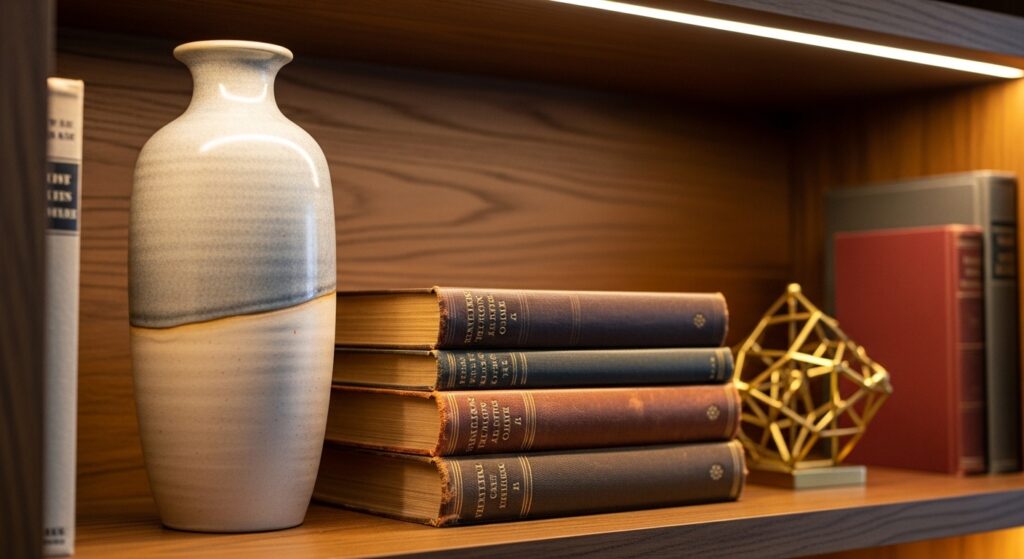
If you’ve ever looked at a shelf and thought it looked “cluttered” rather than “styled,” you might be breaking the Rule of Three. In the world of interior and decor, items arranged in odd numbers are more appealing, memorable, and effective to the human eye.
- Vary the Height: Place a tall vase, a medium-sized book, and a small candle together. This creates a triangle shape that leads the eye across the display.
- Mix Textures: Combine a smooth ceramic pot with a rough wooden tray and a soft fabric tassel.
- Color Cohesion: Ensure the three items share at least one common undertone to keep the look intentional.
Budget-Friendly Decor Hacks for Instant Impact
You don’t need a full renovation to change the “vibe” of your home. Sometimes, the smallest shifts make the biggest difference.
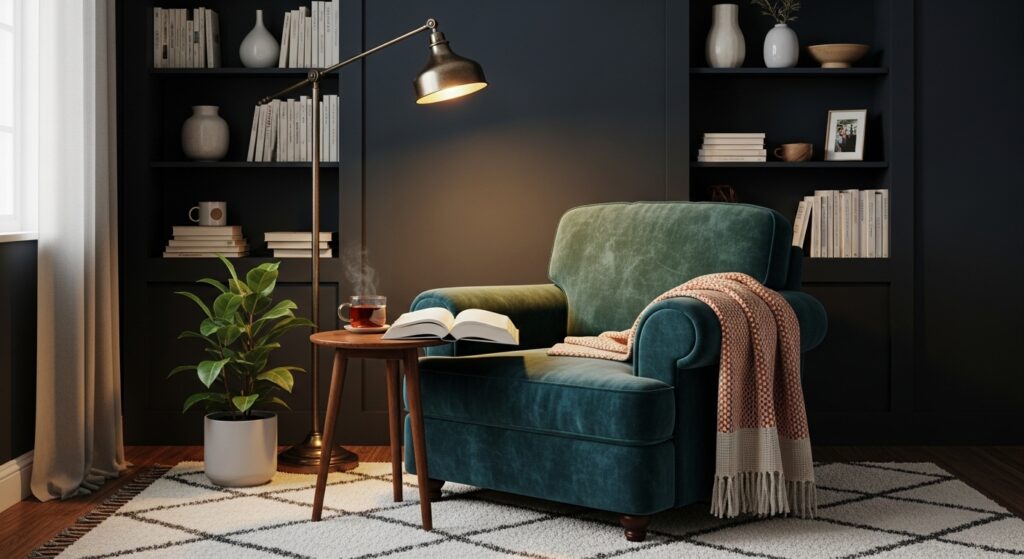
- The Power of Paint: A single accent wall in a deep, moody hue like charcoal or forest green can make a room feel expensive instantly.
- Swap Your Hardware: Replace standard builder-grade cabinet knobs with brass or matte black handles. It’s a 10-minute job that yields a high-end look.
- Layer Your Lighting: Stop using the “big light” (the overhead fixture). Instead, use a mix of floor lamps, table lamps, and candles to create “pockets” of warmth.
Defining Your Signature Style
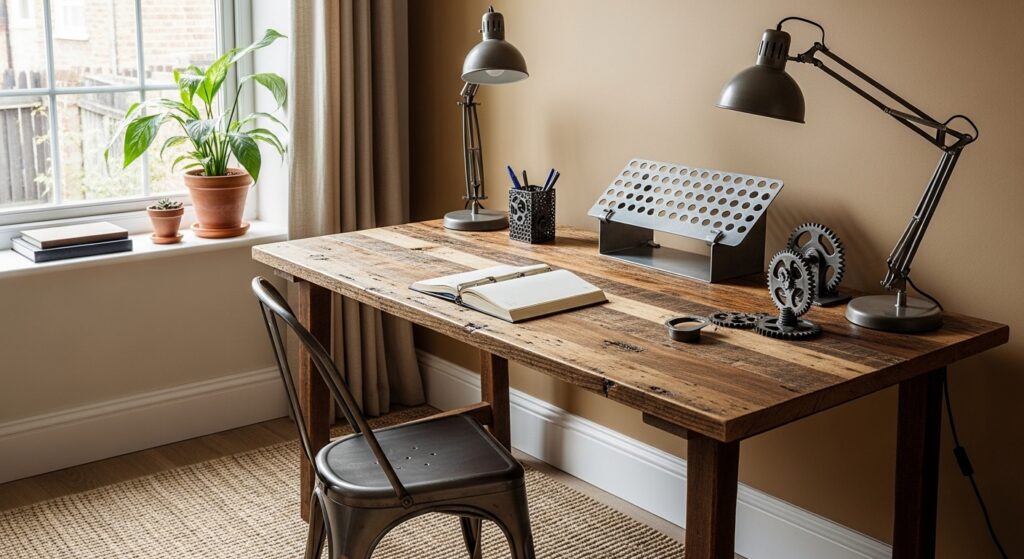
The most common mistake people make is trying to follow every trend at once. This leads to a home that feels disjointed. To find your signature interior and decor style, look at your wardrobe.
- Do you love structured blazers and neutral colors? You’re likely a Modern Traditionalist.
- Is your closet full of flowing fabrics and bright patterns? You’re likely Eclectic or Bohemian.
- Do you prefer high-tech gadgets and sleek silhouettes? Industrial or Ultra-Modern is your lane.
Let your home be an extension of who you already are.
Your Question, Answered
Q: What is the difference between interior design and interior decor?
Interior design involves the structural and functional planning of a space (like moving walls or choosing flooring), while interior decor focuses on the aesthetic “finishing touches” like furniture, art, and rugs.
Q: How can I make a small room look bigger?
Use mirrors to reflect light, stick to a light color palette, and choose furniture with “legs” (rather than blocky pieces) to create a sense of openness and floor space.
Q: What are the trending colors for 2026?
We are seeing a move toward “Earth Tones 2.0″—deep ochres, muted sages, and warm “mushroom” grays that provide a sense of calm and stability.