
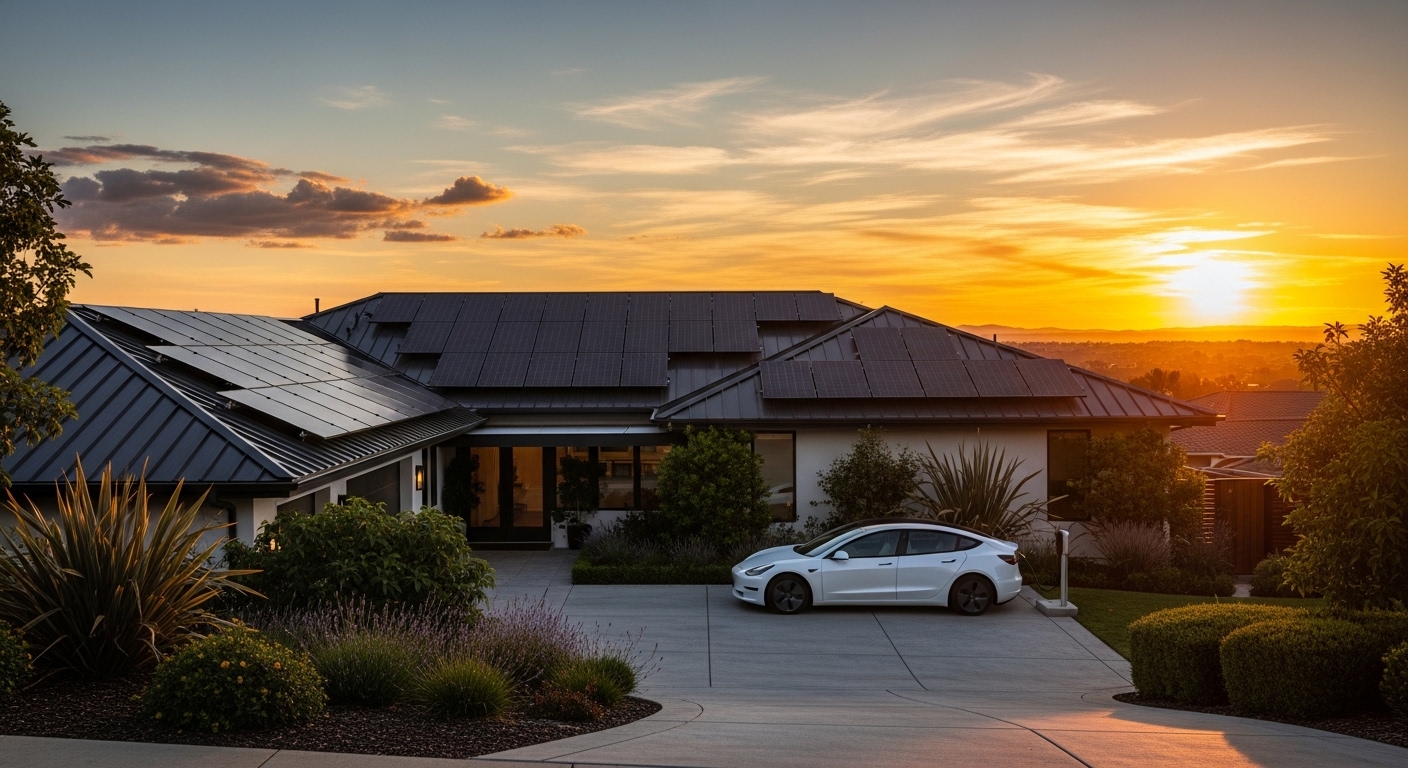
Switching to solar energy used to be a futuristic dream for most homeowners. Today, it’s a mainstream financial strategy. With electricity prices climbing globally and solar technology becoming more efficient than ever, 2026 is officially the year that “going green” also means “saving gold.”
But how much does it actually cost? What does the setup look like for a standard 3-bedroom house? And most importantly, when will you start seeing that investment back in your pocket? This guide breaks down everything you need to know about residential solar energy without the complicated jargon.
Table of Contents
How Much Does Solar Energy Cost in 2026?
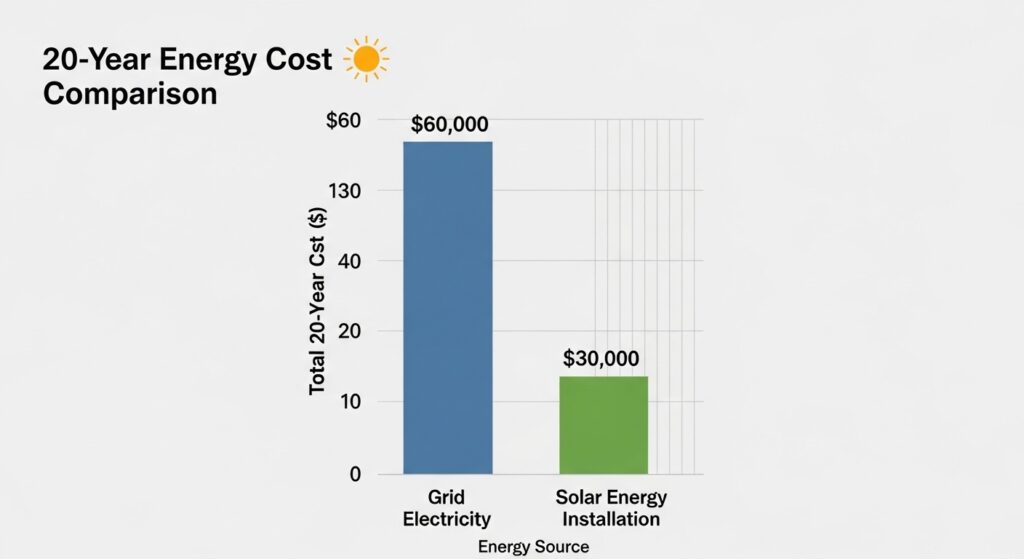
The first question every homeowner asks is about the price tag. In 2026, the average cost of a residential solar system has stabilized, thanks to better manufacturing and local incentives.
The Average Price Breakdown
In the United States, a typical home solar setup (6kW to 8kW) generally costs between $15,000 and $22,000 before incentives. In the UK, you’re looking at £5,000 to £8,000 for a standard system, while in India, prices range from ₹2,00,000 to ₹4,00,000 depending on the capacity and subsidies.
Factors that influence your final quote:
- System Size: A 10kW system for a large villa will cost significantly more than a 3kW setup for a small cottage.
- Panel Type: High-efficiency N-Type TOPCon or Bifacial panels cost more upfront but generate more power in low light.
- Battery Storage: Adding a lithium battery (like a Tesla Powerwall) can add $7,000–$10,000 to the cost but allows for 24/7 power.
- Roof Complexity: Steep or multi-angled roofs require more labor and specialized mounting hardware.
The 5-Step Setup: From Roof to Reality
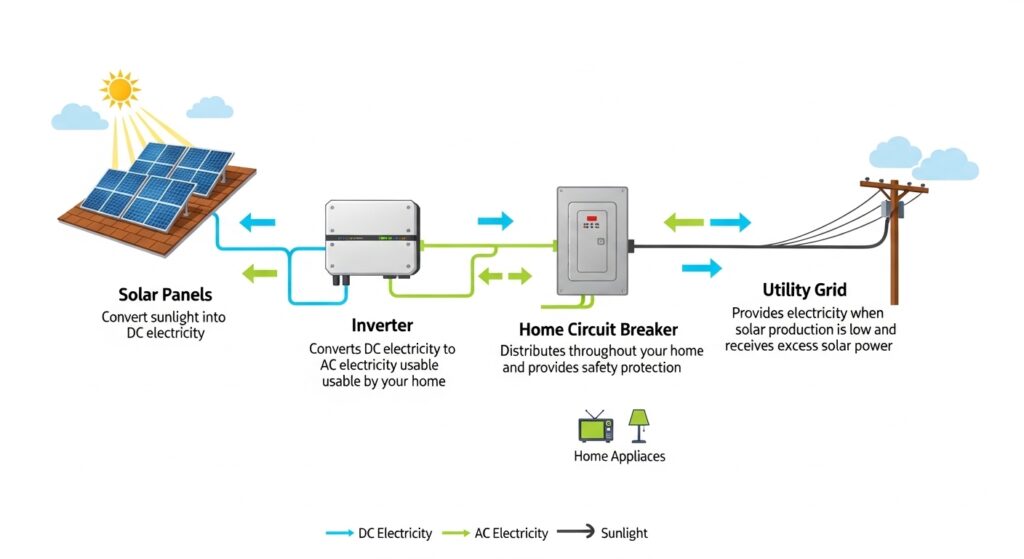
Installing solar panels isn’t just about bolting glass to your roof. It’s a precision-engineered process designed to maximize every ray of sunshine.
1. The Site Audit
A professional installer will visit your home to check your roof’s “solar potential.” They look at the orientation (True South is best in the Northern Hemisphere), the tilt angle, and potential shading from nearby trees or chimneys.
2. Design and Permitting
Engineers create a custom layout for your panels. This phase also includes getting “the green light” from your local utility company and government for net metering—the system that lets you sell excess power back to the grid.
3. Mounting and Railing
The heavy lifting begins! Installers secure mounting brackets to your roof rafters. These brackets hold the rails that the solar panels will eventually sit on.
4. Panel and Inverter Installation
The panels are clipped onto the rails, and the inverter is installed. The inverter is the “brain” of the system; it converts the Direct Current (DC) electricity from the panels into the Alternating Current (AC) used by your toaster and TV.
5. The Final Switch-On
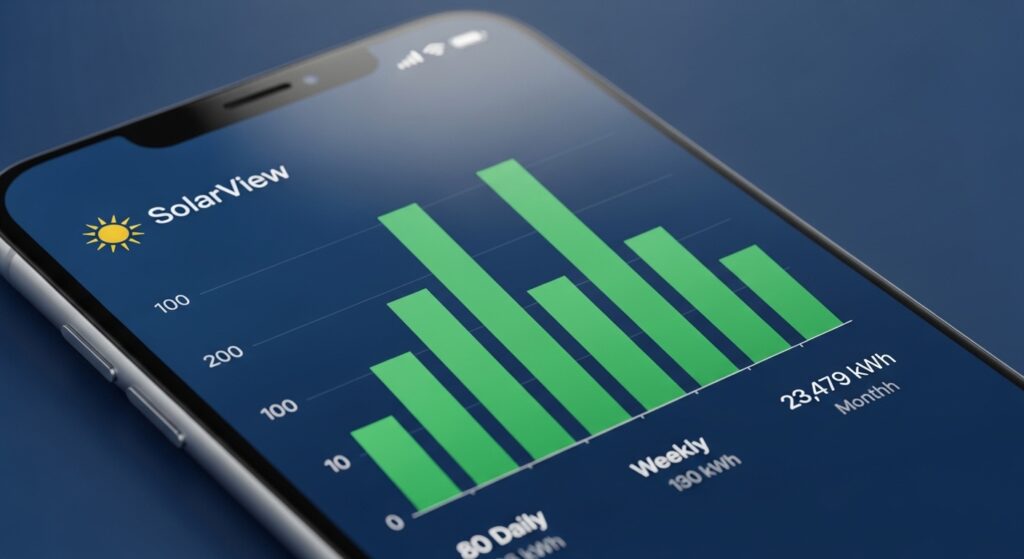
Once the wiring is complete and a final inspection is passed, your system is commissioned. You can now track your energy production in real-time via a smartphone app.
Calculating Your Savings: Is Solar Energy Worth It?
The true magic of solar isn’t the tech; it’s the bill you receive at the end of the month. Most homeowners see an 80% to 90% reduction in their monthly electricity expenses.
The ROI (Return on Investment)
On average, a home solar system pays for itself in 4 to 7 years. After that “payback period,” the electricity you generate is essentially free for the remainder of the panels’ 25-year lifespan.
Example Case Study:
- Original Monthly Bill: $200
- New Monthly Bill (Post-Solar): $25 (Minimum connection fee)
- Annual Savings: $2,100
- System Cost (After Incentives): $12,000
- Payback Period: ~5.7 Years
Property Value Boost
Beyond monthly bills, solar is a “capital improvement.” Studies in 2026 show that homes with solar installations sell for 3% to 5% more than non-solar homes. Buyers love the idea of “built-in” low utility costs.
Maximizing Your Solar Success: 3 Pro Tips
- Clean Your Panels: Dust and bird droppings can reduce efficiency by 10% or more. A simple rinse with water every few months makes a huge difference.
- Shift Your Loads: Run your dishwasher and laundry during the day when your panels are producing peak power.
- Check for Subsidies: In 2026, programs like the PM Surya Ghar in India or state-specific rebates in the US can cut your costs by up to 30%.
Conclusion: Your Path to Energy Independence
Solar energy for homes is no longer just a trend—it’s a smart, long-term financial pillar. By understanding your costs, choosing the right setup, and leveraging local savings programs, you can lock in low energy rates for decades.
Ready to start your solar journey? Contact a local certified installer for a free site audit and see exactly how much your roof can earn you!