
The best cribs are not always the most expensive ones. They are the ones built to current federal rules, fitted with a firm mattress and set up with care. A simple crib that passes these checks beats a pricey one that does not.
Here are the safety details most buyers miss, the crib types worth comparing and the models US parents recommend.
Quick answer: The best cribs meet current CPSC rules, have slats no more than 2 3/8 inches apart and no cut-outs, and hold a firm mattress with no more than a two-finger gap. Parents often recommend the IKEA Sniglar on a budget and Babyletto or Newton for modern, low-emission nurseries.
What Safety Details Do the Best Cribs Share?
The best cribs share fixed sides, slats no more than 2 3/8 inches apart, solid head and foot panels, and a snug firm mattress. Every crib sold in the US since June 28, 2011 must meet the stronger federal rules, so never use a drop-side crib or one made before then.
Those rules ended the sale of traditional drop-side cribs and required stronger slats, tougher mattress supports and hardware that resists loosening. An older infant bed may look lovely, but it can fail today’s standards. Antique cribs may also carry layers of lead paint.
Check these details in person or on the product page:
- Slats: No more than 2 3/8 inches apart, with none loose or broken.
- Panels: Solid headboards and footboards with no decorative cut-outs.
- Mattress size: At least 27 1/4 by 51 1/4 inches and no more than 6 inches thick for a full-size crib.
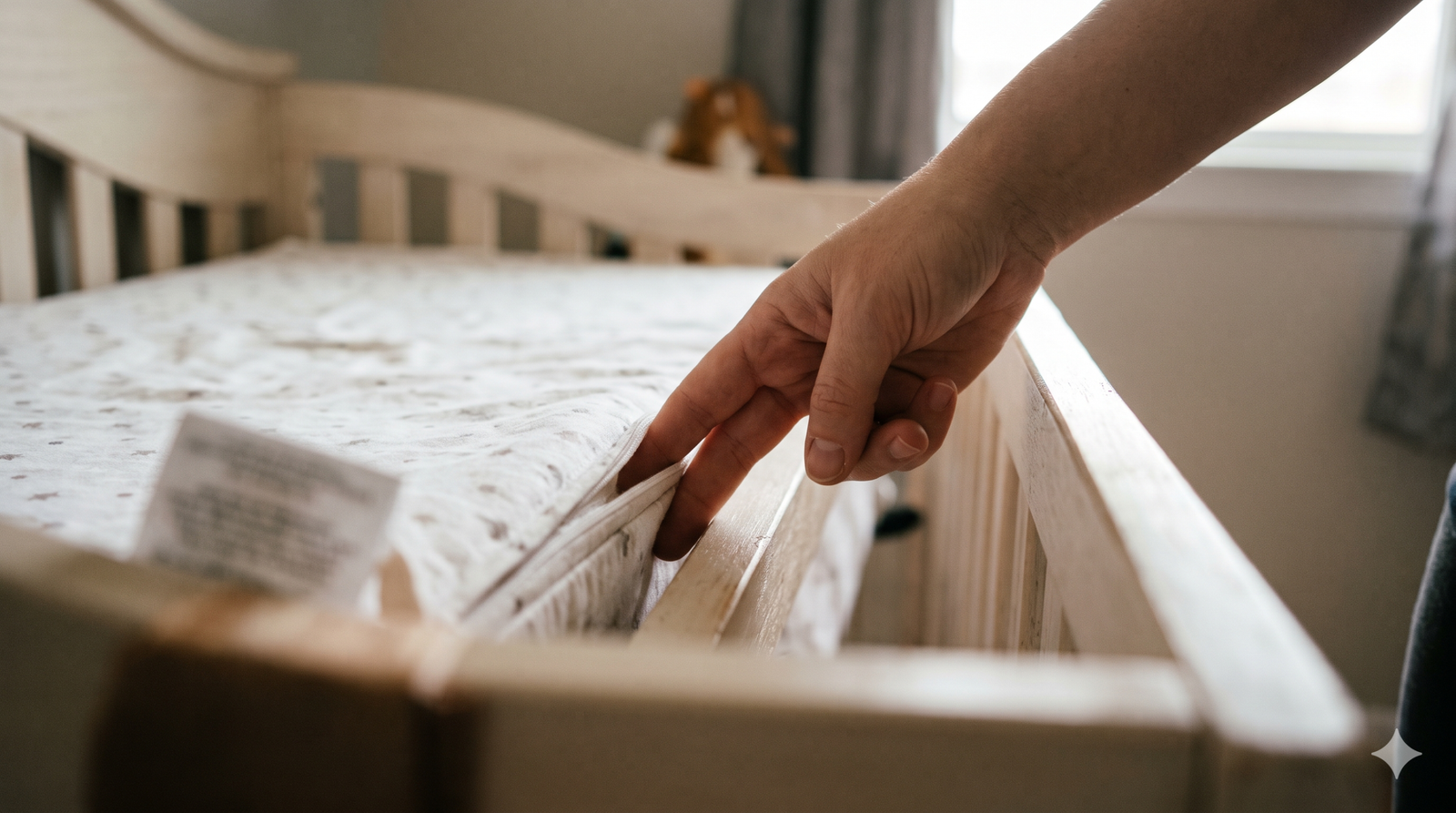
- Fit: Never more than a two-finger gap between the mattress and the crib side.
- Corner posts: Avoid any that could catch clothing.
Keep the Crib Bare
An easy way to remember safe sleep is the ABCs: Alone, on the Back, in a Crib. Use a firm, flat mattress that does not indent under your baby, and add only a fitted sheet. Keep out pillows, blankets, soft toys and bumpers. Federal law bans crib bumpers, and the CPSC keeps warning parents about new ones sold online.
How Do You Choose the Right Crib Mattress and Height?
Choose a firm, flat mattress that fits snugly, then lower it as your child grows. Buying the crib and mattress together makes it easier to check the fit. Dual-sided mattresses add a firmer infant side and a softer toddler side for later.
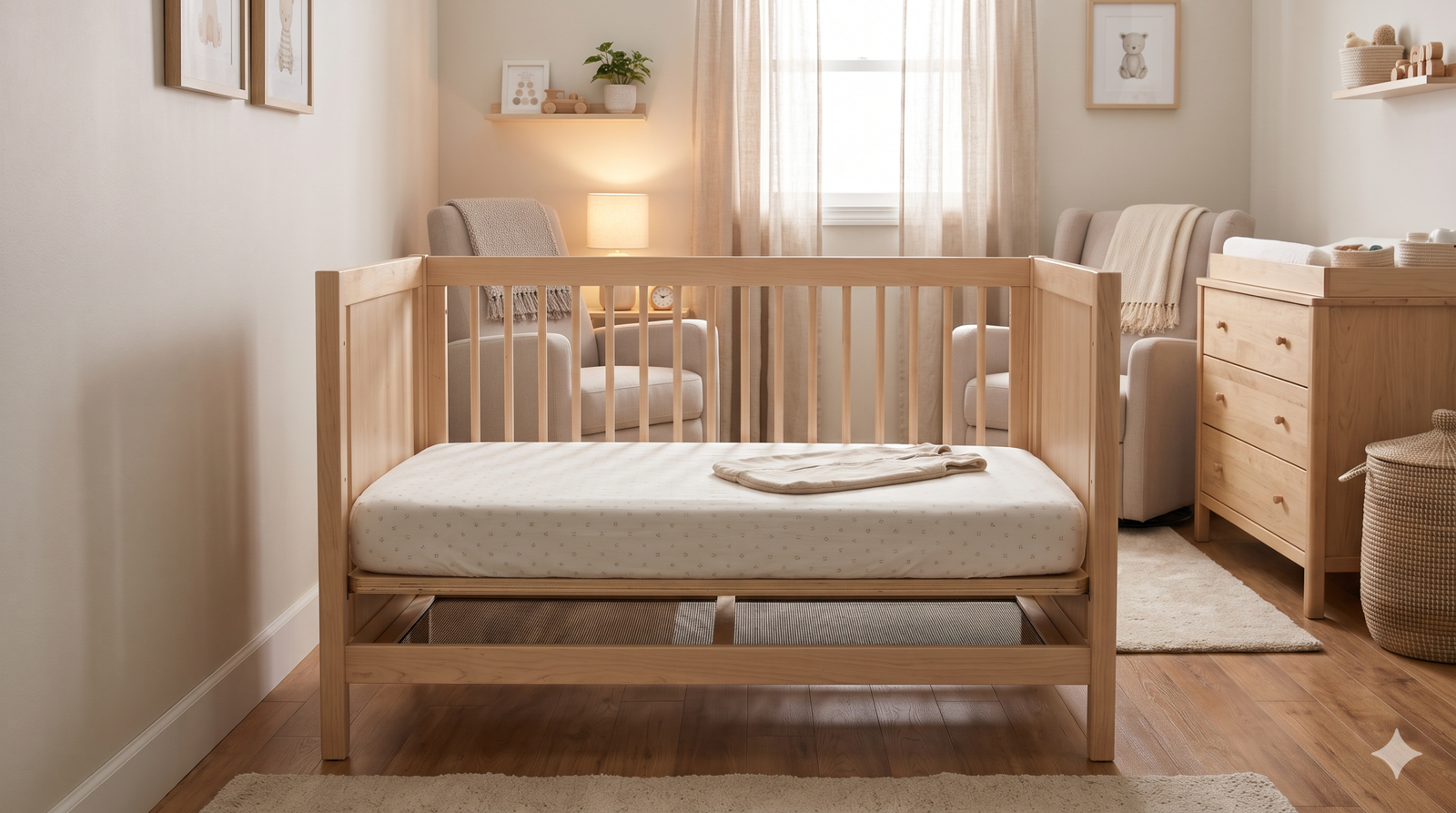
Popular choices include the Newton and Soundly breathable mattresses, the lightweight Graco foam mattress, and organic options from Naturepedic and Organic Dream.
Height settings matter just as much. The top setting is only for newborns who cannot yet sit. Lower the mattress when your baby sits, then again before they can pull up to stand. Once your child reaches 35 inches or starts climbing, it is time to move to a bed.
What Should You Look for in a Non-Toxic Crib?
Look for solid wood or steel, water-based finishes and third-party certifications such as GREENGUARD Gold. Your baby will spend many hours a day close to the crib, so it pays to check what it is made of, especially if you are worried about smells from paints and glues.
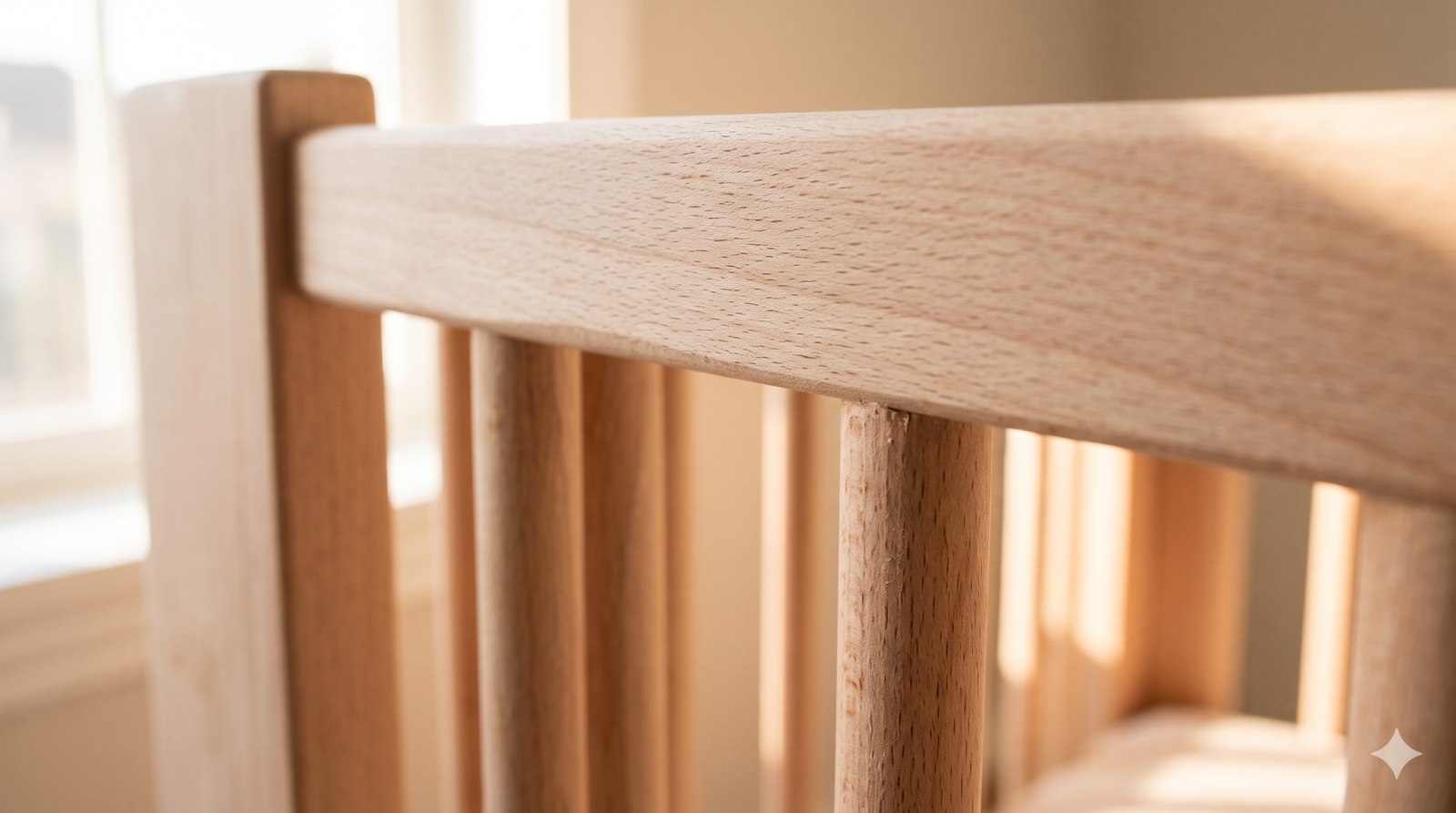
- Materials: Solid hardwood, solid pine or steel use less of the glue found in particleboard and MDF.
- Finishes: Water-based finishes usually give off fewer fumes than solvent-based ones.
- Certifications: Look for GREENGUARD Gold for low emissions and FSC for wood sourcing.
- Teething rails: These protect the wood and your baby’s gums when chewing starts.
If you plan to finish or touch up other nursery furniture, our guide to water-based wood finishes explains why they are so popular.
Which Cribs Do Parents Recommend Most?
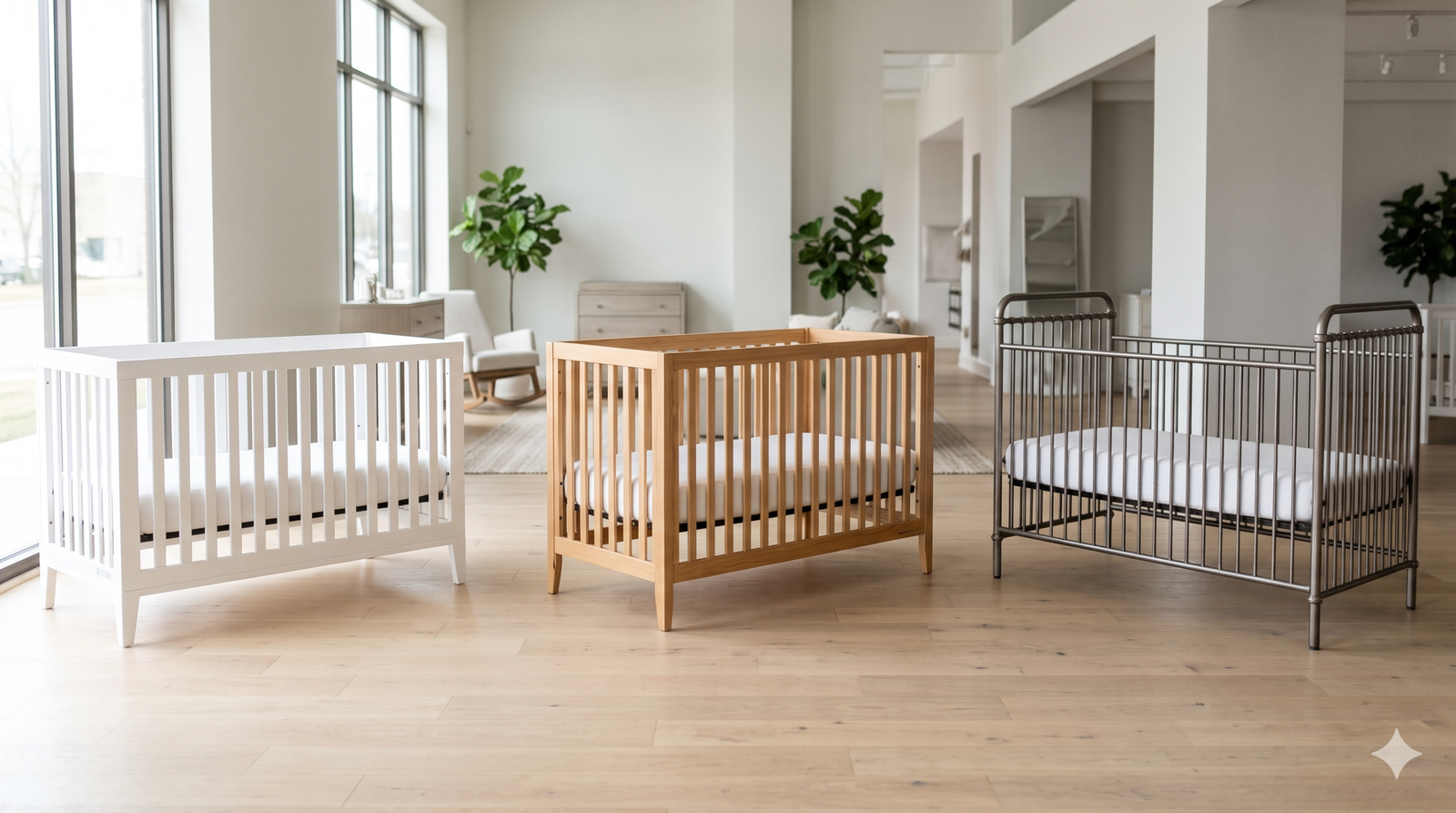
The best cribs for your family depend on your budget, your room and how long you want the crib to last. These models come up often in parent discussions. They are not ranked, and prices change, so check current details and recalls before you buy.
| Crib | Why parents like it | Style |
|---|---|---|
| IKEA Sniglar | Solid beech with no paint or stain | Budget |
| Graco Solano 4-in-1 | Drawer for sheets and pajamas | Budget, convertible |
| Delta Children Emery 4-in-1 | JPMA certified | Mid-range, convertible |
| DaVinci Kalani 4-in-1 | Solid wood | Mid-range, convertible |
| Babyletto Hudson 3-in-1 | GREENGUARD Gold, mid-century look | Modern |
| Newton Galileo 3-in-1 | Solid beech, GREENGUARD Gold | Premium |
| Namesake Winston 4-in-1 | Steel frame | Premium |
Convertible or Standard?
A convertible crib can become a toddler bed, a daybed or a full bed. The catch is that conversion kits are often sold separately and can get discontinued, so buy them early. Neutral colors also make the frame easier to keep as the room changes.
Mini Crib or Standard Crib?
A standard crib is about 28 by 52 inches. A mini crib is around 24 by 38 inches, which suits small rooms and room sharing. Most babies outgrow a mini crib by 12 to 18 months, and its mattresses and sheets can be harder to find. A safe play yard is another option for the early months.
Are Second-Hand Cribs Safe, and How Do You Keep Any Crib Safe?
A second-hand crib is only safe if you know its age, history and recall status. Skip it if you cannot confirm those. Check for missing hardware and cracks, and buy a new mattress even if the frame is fine.
Any crib needs regular care too. Give it a firm shake each week, and tighten the hardware when needed. Run your hand along the rails to feel for splinters or peeling paint. Keep the crib away from windows and blind cords, since children can get caught in cords or fall.
A tidy room makes these checks easier, and our tips to stop clutter creeping back can help keep the nursery clear.
Pick Safety First, Then Style
The best cribs keep things simple: current federal standards, a firm mattress that fits, and nothing else inside. Choose your size and style, then search the exact model on the CPSC recall site before you buy. Your pediatrician can help with any safe sleep questions.
Frequently Asked Questions
How far apart should crib slats be?
No more than 2 3/8 inches apart. This stops a baby’s head from becoming trapped between them.
How can I tell if a crib mattress fits?
Check the gap around the edge. If you can fit more than two fingers between the mattress and the crib side, do not use that mattress.
When should my child stop using a crib?
Move your child to a bed when they reach 35 inches tall or start climbing out, whichever comes first.